
At the Table: Briceland Forest Farm and the First Dinner of the Season

Land. Water. Hands. | Chapter One
On a Tuesday afternoon in October, my daughter and I stopped by Briceland Forest Farm to collect the produce for our first Land. Water. Hands. dinner of the season. Dan had our order ready: boxes of freshly harvested radishes, turnips, greens, peppers, herbs, and squash, all destined for a five-course meal we would serve to 45 people three days later. There were children to get to appointments, schedules to juggle, and the usual scramble of trying to run a business while also having a family. It was a familiar kind of chaos. I sometimes think that living and working out here means spending nearly every available minute doing one of two things: working or loving your family, and often trying to do both at once. .
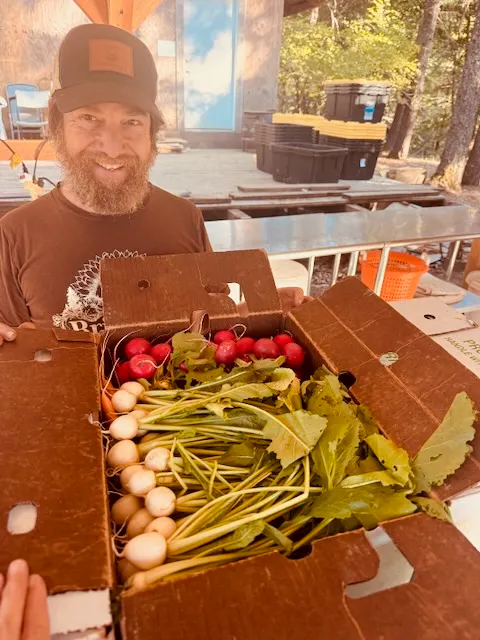
Dan and Taylor, the couple behind Briceland Forest Farm, know that balancing act particularly well. They're raising two young boys while running a regenerative farm, which is not the sort of business that allows you to leave work at five. I've known them long enough to appreciate how much thought goes into what they do. Taylor is the kind of person who can turn an ordinary conversation into a discussion about agriculture, responsibility, or the traditions we inherit without always realizing it. Their commitment to farming isn't simply about producing beautiful vegetables, although they certainly do that. It's about considering what it means to grow food, care for the land, raise a family, and make a living doing something you believe in. .
There's a noticeable difference when you bring their produce into the kitchen. The greens are vibrant, the herbs fragrant, and the vegetables seem to retain their freshness for an astonishing amount of time. Living in Shelter Cove, we're fortunate to have distributors willing to deliver to such a remote location, and we rely on them to keep our restaurant running. But getting vegetables directly from a farm just down the road is a different experience. You know who grew them, when they were harvested, and something about the lives of the people who brought them to you. That connection changes how you think about the ingredients before you've even started cooking.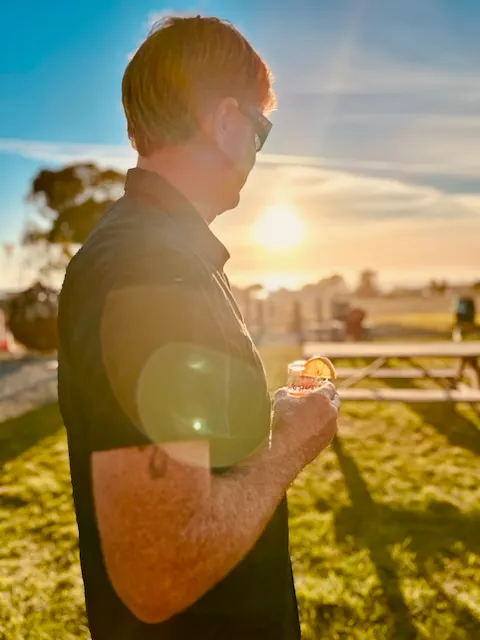
It's also a large part of why Land. Water. Hands. exists. A couple of years ago, we were looking for ways to bring people together at Gyppo during the slower winter months. We'd tried encouraging companies to hold dinners and events here, but those ideas weren't particularly well suited to the economic realities of our community. Eventually, we did something much simpler: we asked people what they actually wanted. The answer was farm dinners, themed meals, and opportunities to gather around something that felt distinctly local. We took that idea and built a five-part dinner series around the people who grow, gather, catch, and make food along the Lost Coast. This is our second year, and I still find myself wondering, usually the night before each dinner, whether we've taken on more than we can reasonably pull off.
 Feeding 45 people five courses requires a peculiar combination of ambition, organization, and optimism. Almost everything needs to be prepared in advance, yet the finished dishes still need to arrive at the table looking and tasting as though they were made just for you. We don't always have the luxury of testing every element as thoroughly as I'd like, so there's inevitably a moment when I start calculating all the things that could go wrong. The guests have paid good money for an experience, and I feel a tremendous responsibility to make it worth their while.
Occasionally, something does go wrong. This time, for instance, we'd set aside some decorative pumpkins, which our cook, moving quickly through an already considerable list of tasks, mistook for the squash intended for the soup. By the time we realized what had happened, the pumpkins were roasted. We made the soup anyway, and it was delicious. I suppose there's a lesson in there about trusting your team, adapting to circumstances, and not getting overly attached to the menu you've spent weeks planning. Mostly, though, I find it funny.
The rest of the menu came together beautifully. We opened with a ahi crudo dressed in fire-roasted pepper aguachile, followed by crispy fried chèvre with tomato jam. There was the now somewhat legendary squash soup, then beer-braised short rib with roasted garlic grits, Briceland carrots, and greens. Dessert was a rose-honey skillet cake finished with cream and pepita brittle. Each course was designed around ingredients from the farm, and watching those ingredients move from the boxes we'd picked up on Tuesday to finished plates three days later was its own kind of satisfaction.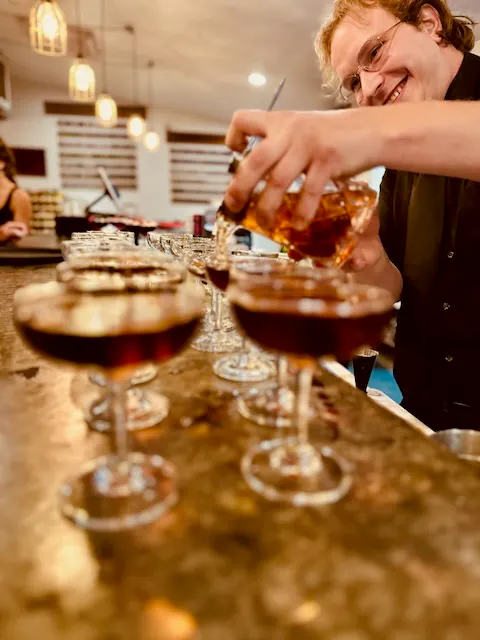
By Friday evening, guests were arriving to one of those spectacular Shelter Cove sunsets. The tables were set, the kitchen was preparing for five courses, and the bar was getting the pairings ready. Adding a little seasonal humor to the evening were the Halloween coffins created by Datso Perkins of D Perkins Events, which turned out to be a popular photo opportunity. Inside, our team was moving between the kitchen, bar, and dining room, preparing to serve a full house.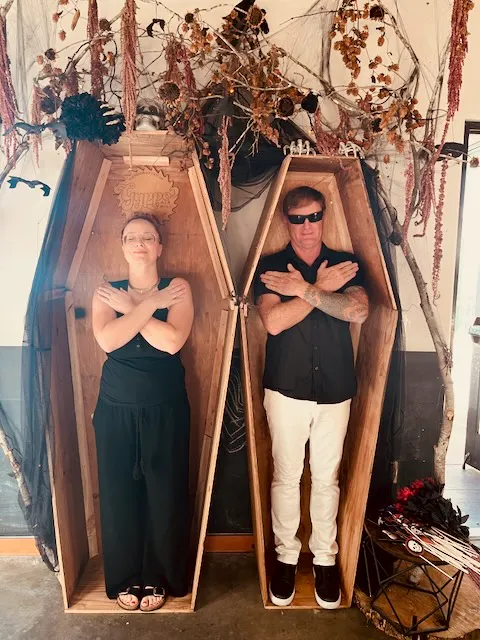
One of the things I appreciate most about having Dan and Taylor involved is that they bring something to the evening that we couldn't create through the food alone. Taylor has a way of inviting people to consider the meaning of a shared meal. She talks about the work that goes into growing food, the importance of knowing where it comes from, and the simple act of being grateful for what's on the table and who's sitting around it. She's thoughtful and passionate, and her reflections often extend beyond agriculture into the traditions and responsibilities that connect us to one another.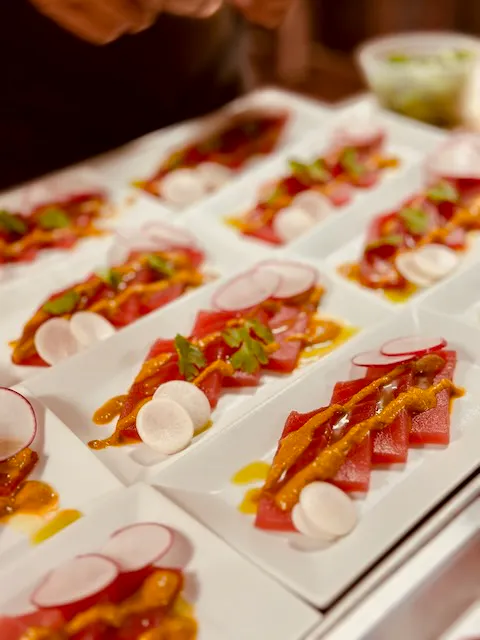
I've been thinking a lot lately about traditions, particularly the ones we don't necessarily recognize as traditions anymore. We tend to associate ceremony with another culture, another time, or some more formal way of living. But gathering around a table, acknowledging the people who grew our food, and taking a moment to appreciate the place we live are traditions, too. They're easy to lose when life becomes busy and transactional. One of the things I love about living on the Lost Coast is that there are still people who make a deliberate effort to preserve them. Dan and Taylor are among those people, and their presence reminds me that a dinner can be about more than what appears on the plate.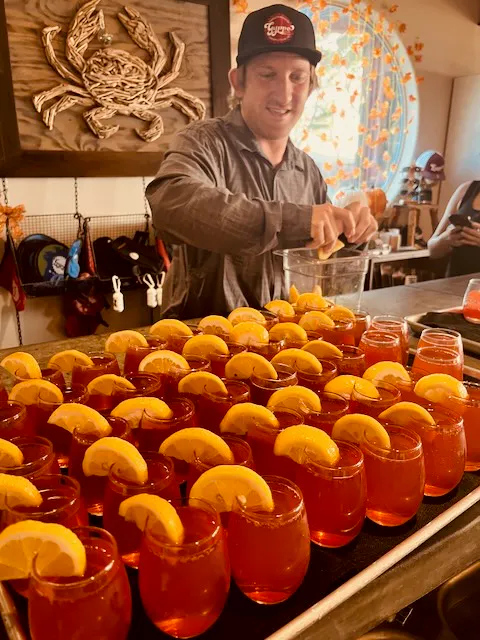
There's another interesting thing that happens when you seat 45 people together for several hours. At the beginning of the evening, some guests know each other well, while others find themselves beside someone they've barely met. Five courses is a long time to sit next to a stranger without eventually striking up a conversation. By dessert, the room has changed. People are talking across tables, laughing, comparing dishes, and learning things about one another. Some arrived knowing very little about Briceland Forest Farm; now they've met the people responsible for growing much of their dinner. They can put faces and stories to the ingredients, which is something I hope they'll remember the next time they're deciding where to buy their vegetables.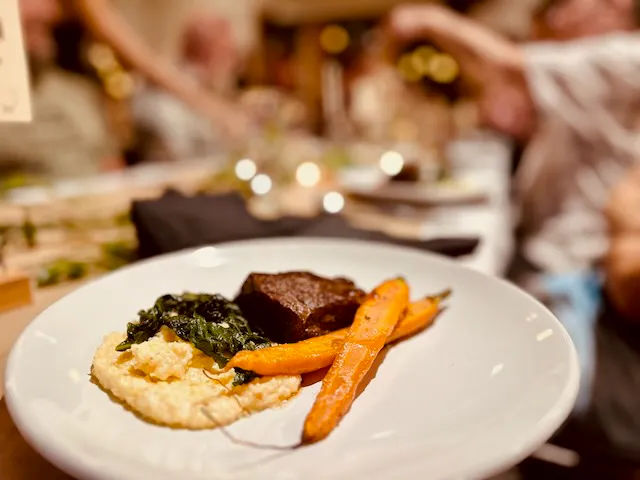
For anyone who wants to support Dan and Taylor beyond our dinner series, they sell their produce at the Briceland farm stand on Thursdays and at the Garberville Farmers Market. Farming is their livelihood, not a weekend project, and purchasing directly from them helps sustain both their family and the kind of agriculture we want to see continue in our community. There's something satisfying about knowing that the money spent on a bunch of carrots or a bag of greens is helping keep a local farm in business.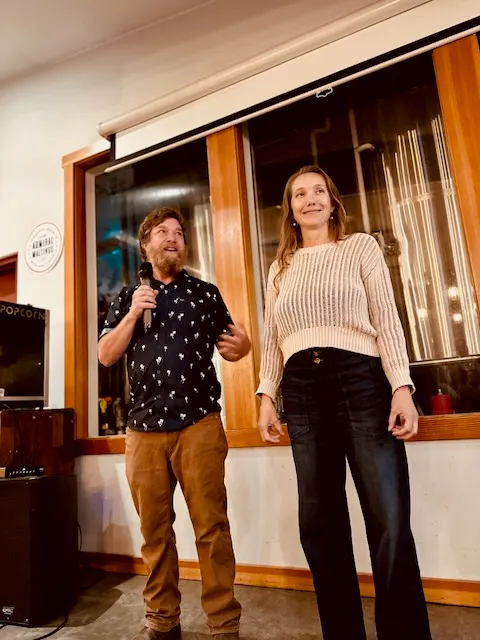
I have to give an enormous amount of credit to the entire Gyppo team for making the evening possible. These dinners require everyone to work a little differently than they do during regular service. The kitchen has to coordinate five courses instead of individual orders, the front-of-house team has to manage an entirely different rhythm, and the bar creates drink pairings for guests who want them, including nonalcoholic options. Everyone is asked to stretch a little beyond the ordinary demands of the job. This particular dinner ran more smoothly than any we've done before, which tells me we're getting better at it. After the final course, I headed home, thoroughly exhausted, while the team handled closing and prepared to reopen Gyppo for regular service at noon the following day. I'm incredibly grateful for the care they put into making it all happen.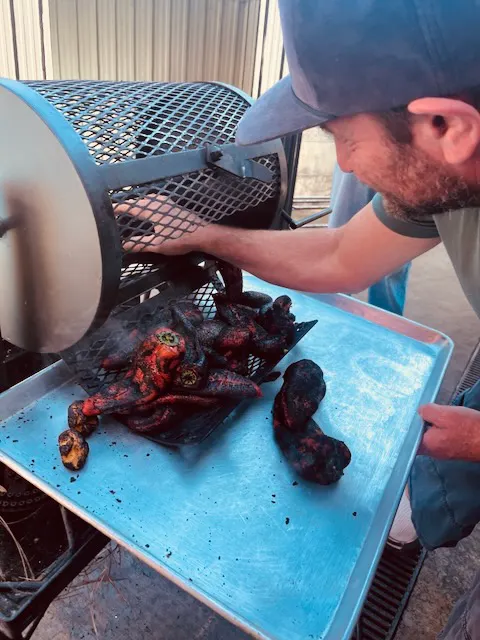
Running a restaurant can be a strange way to spend your life. Much of my own work happens behind the scenes, dealing with the inevitable problems that come with keeping a business operating. I hear about the sandwich that was too dry or the mac and cheese that wasn't creamy enough, but I don't always get to see the other side of the experience: someone taking a bite of something delicious, laughing with friends, or having the kind of evening they might remember for years. During these dinners, I get to be part of that again.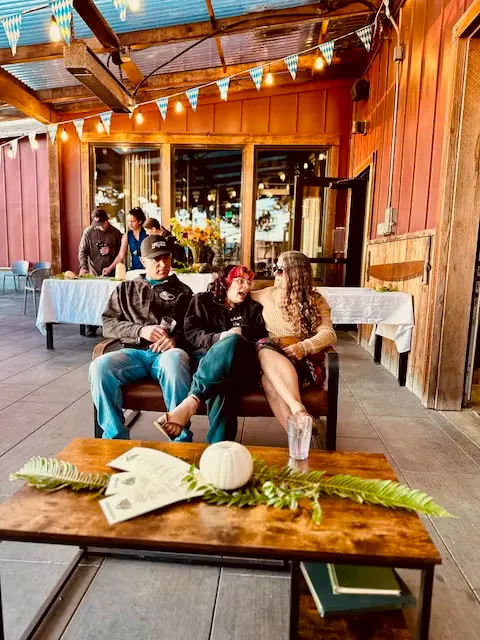
I come from a big family, and every Thanksgiving we gather at Gyppo in numbers that aren't so different from one of our Land. Water. Hands. dinners. There's food everywhere, people talking over one another, and the particular pleasure of seeing everyone fed and happy. I've realized that these dinners give me a similar feeling. They're considerably more complicated to organize than Thanksgiving, and I could probably do without the sleepless night beforehand, but there's something deeply satisfying about creating a space where people can enjoy good food and each other's company.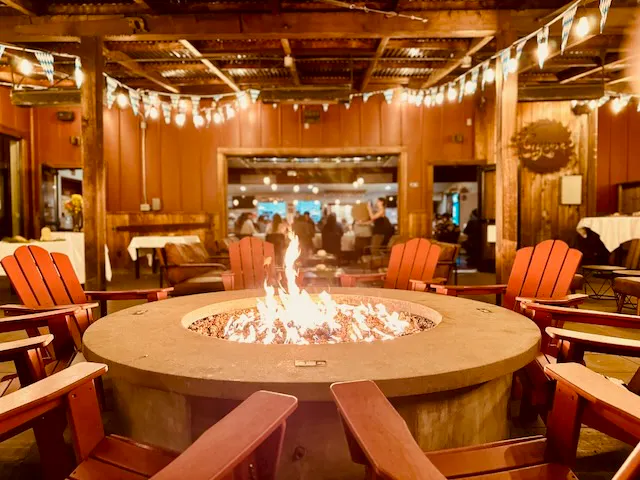
By the time I left that Friday night, I was tired, relieved, and already thinking about everything we'd learned for the next dinner. But I was also reminded of something that's easy to forget in the middle of inventory reports, staffing challenges, and the thousand small decisions involved in running Gyppo: we opened this place because we wanted to bring people together. On evenings like this, I get to see that happen.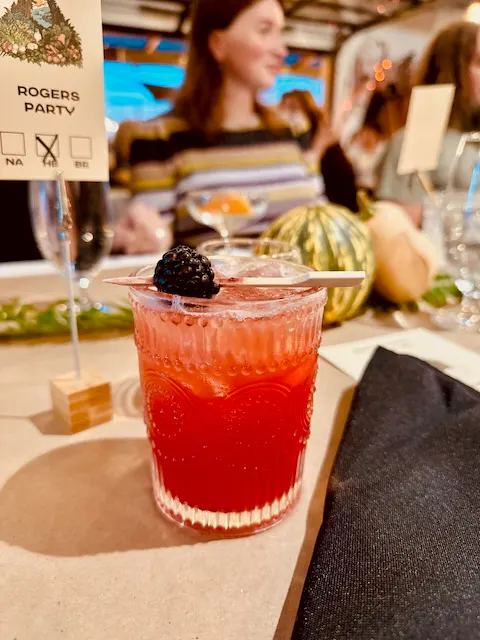
Our dinner with Briceland Forest Farm was the first of five Land. Water. Hands. gatherings this season, each celebrating a different part of the food, landscape, and people of the Lost Coast. Next, on November 13, we'll turn our attention to wild mushrooms and the foraging traditions of our coastal forests. There will be another menu to plan, another group of people to gather around the table, and, if history is any indication, another moment when I question the wisdom of what we've taken on.
I suspect it will be worth it.
Join us for the next Land. Water. Hands. dinner at Gyppo Ale Mill. November 13 - Forager's Dinner